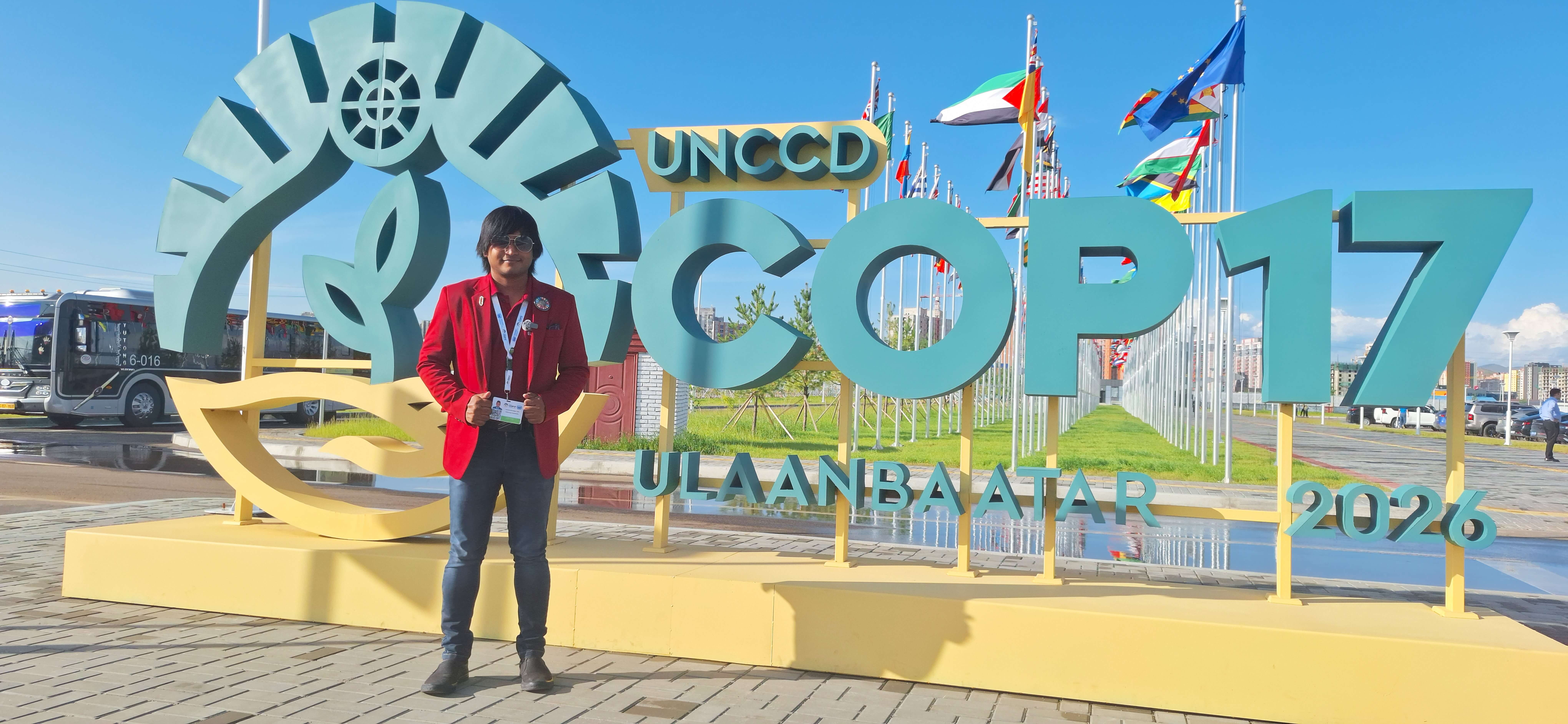
 Posted on 21 August 2026 - Author ( Lilan Dayananda)
My second day at UNCCD COP17 began with a question that has stayed with me throughout this conference: how do we know whether our global restoration ambitions are actually translating into results on the ground?
One of the highlights of the day was the launch of the Global Land Restoration Achievements 2026 Report, presented through the G20 Global Land Initiative and the International Union for Conservation of Nature (IUCN). The discussion brought renewed attention to the importance of measuring restoration not simply through commitments and targets, but through evidence of what is actually changing across landscapes and communities.
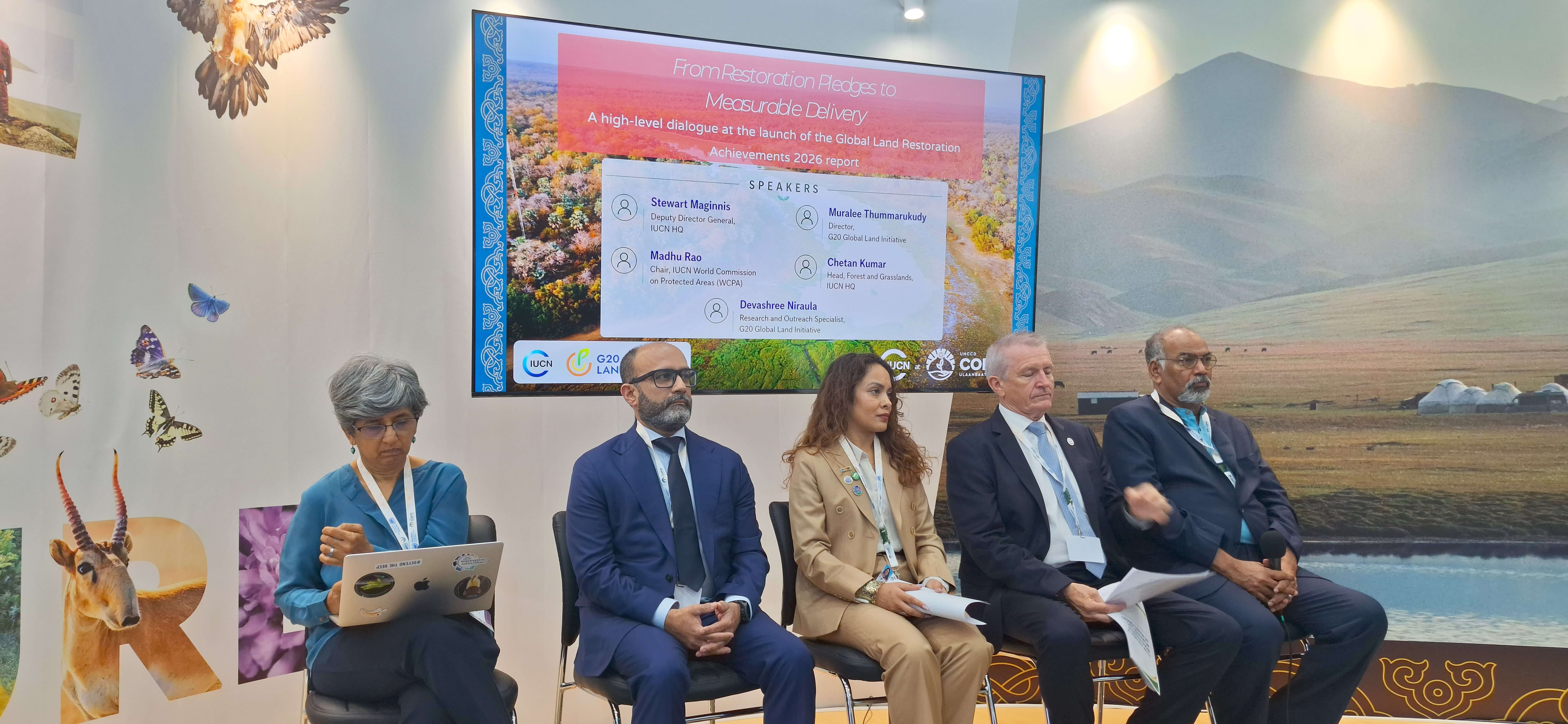
For me, this distinction is important. Land restoration is often discussed through large global targets, hectares and percentages. But behind every hectare is a community, a livelihood, a food system, a farmer or pastoralist, and often a young person deciding what kind of future they want to build.
That human dimension became even clearer during the Photography Master Class and Workshop. In a conference filled with policy documents and technical discussions, photography offered a different way of documenting change. A restored landscape can be described in a report, but sometimes a carefully captured image can communicate a transformation that words struggle to explain.
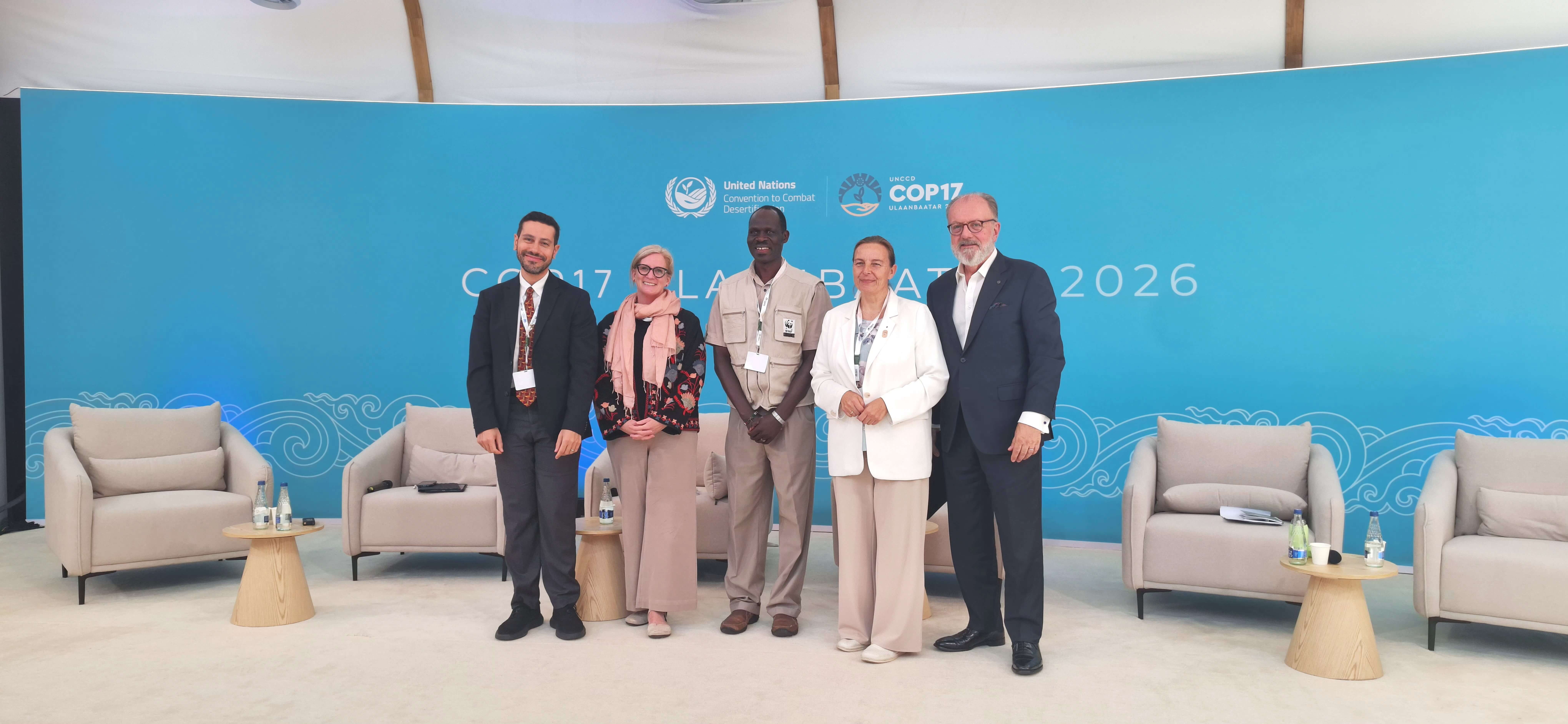
Later, I joined the “Roots & Horizons: Cities, Nature, and the Next Generation” discussion, which connected UNCCD COP17 with the wider climate agenda and explored the relationship between urban resilience, youth engagement, education and the synergies among the Rio Conventions.
This was particularly relevant to me because restoration cannot be considered only a rural issue. Cities depend on healthy landscapes, functioning ecosystems, reliable food systems and resilient communities beyond their boundaries.
The Youth Innovation Panel: Building Careers that Restore the Planet brought another perspective that I found especially meaningful. Young people are not simply asking to participate in environmental conversations; many are building careers and enterprises around solving environmental challenges.
As a young ecopreneur myself, this is a conversation I feel personally connected to. The day also opened important discussions around the restoration economy, including the business case and financial mechanisms required to move restoration from individual projects towards larger portfolios. The conversation reminded me that good ideas alone are not enough. Restoration needs sustainable financing models that allow successful approaches to grow.
I was also able to engage with discussions on faith communities, restoration innovation, digital impact stories and Folklore4Land, where traditional knowledge, pastoralist perspectives, music, film and intergenerational dialogue came together.
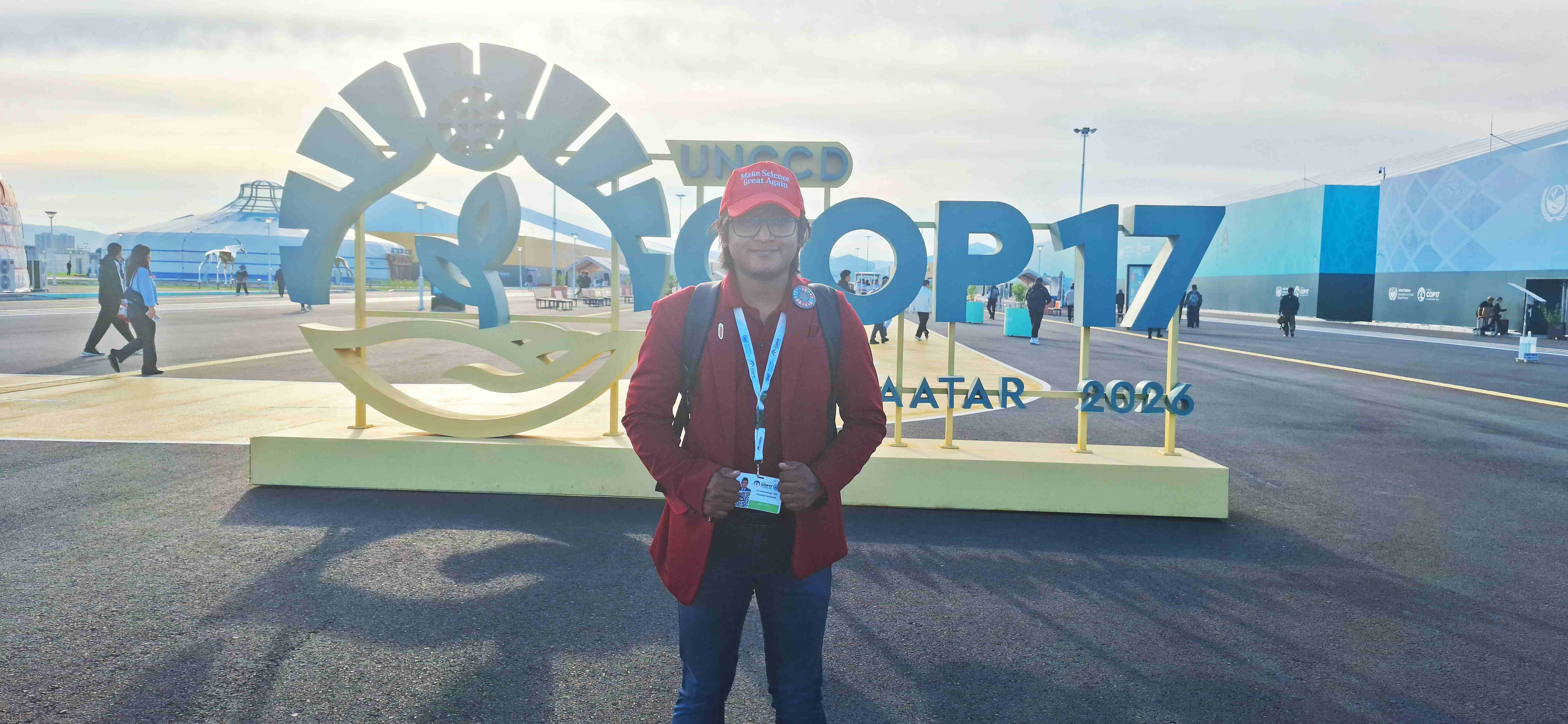
By the end of the day, I was left with a simple reflection; restoration needs evidence, investment, innovation and stories. But above all, it needs people. People who know their landscapes. People willing to experiment. People willing to invest. People willing to share knowledge across generations. At COP17, I am discovering that restoration is not one conversation. It is a meeting point between science and tradition, finance and community, technology and nature, policy and lived experience. And perhaps that is where the real restoration story begins.