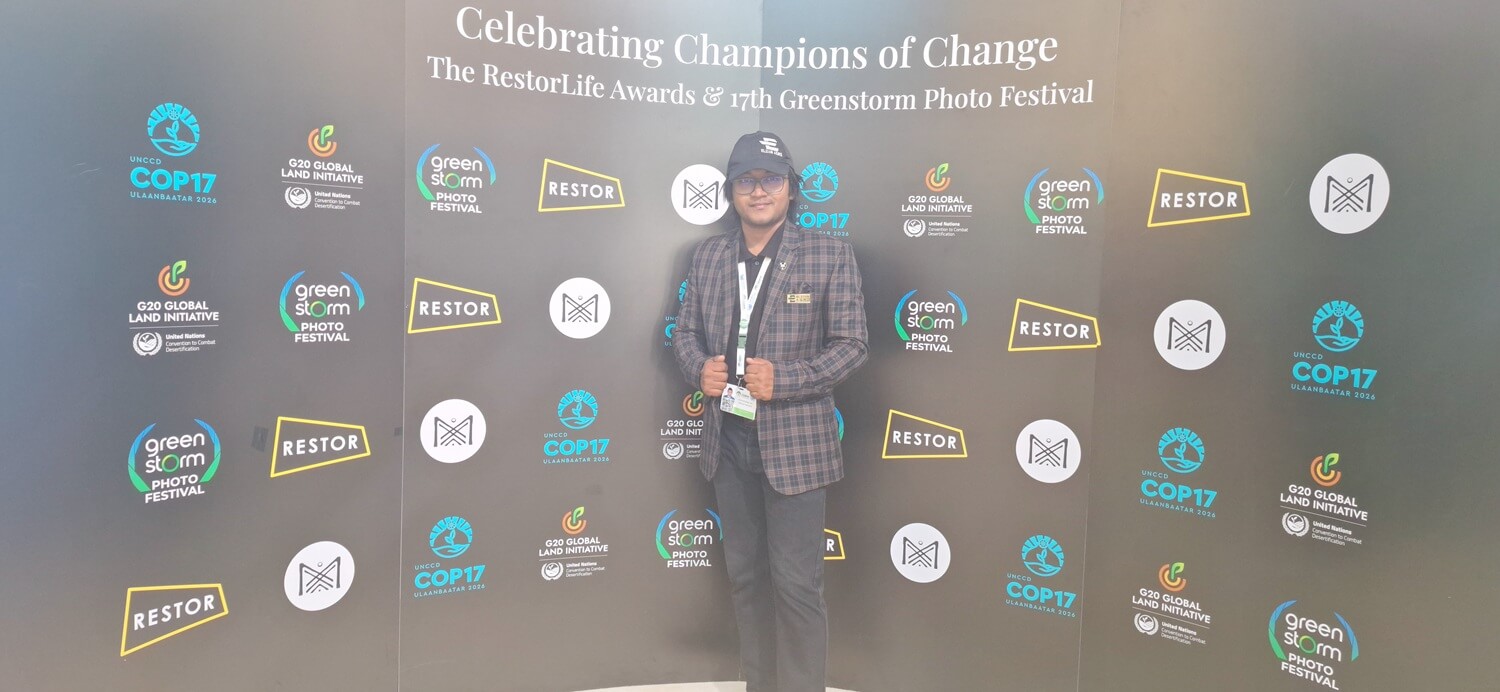
 Posted on 24 August 2026 - Author ( Lilan Dayananda)

After several days of conversations focused on restoration, innovation, entrepreneurship and communities, today brought another important dimension into focus: leadership.
The Global Changemaker Academy for Parliamentarians (G-CAP) officially opened in Ulaanbaatar, bringing parliamentarians together for masterclasses, legislative workshops and discussions alongside the COP17 Parliamentary Forum. It was a useful reminder that restoration cannot depend only on projects happening on the ground. The policy and legislative environments surrounding those projects can determine whether solutions remain isolated initiatives or become part of broader systems.
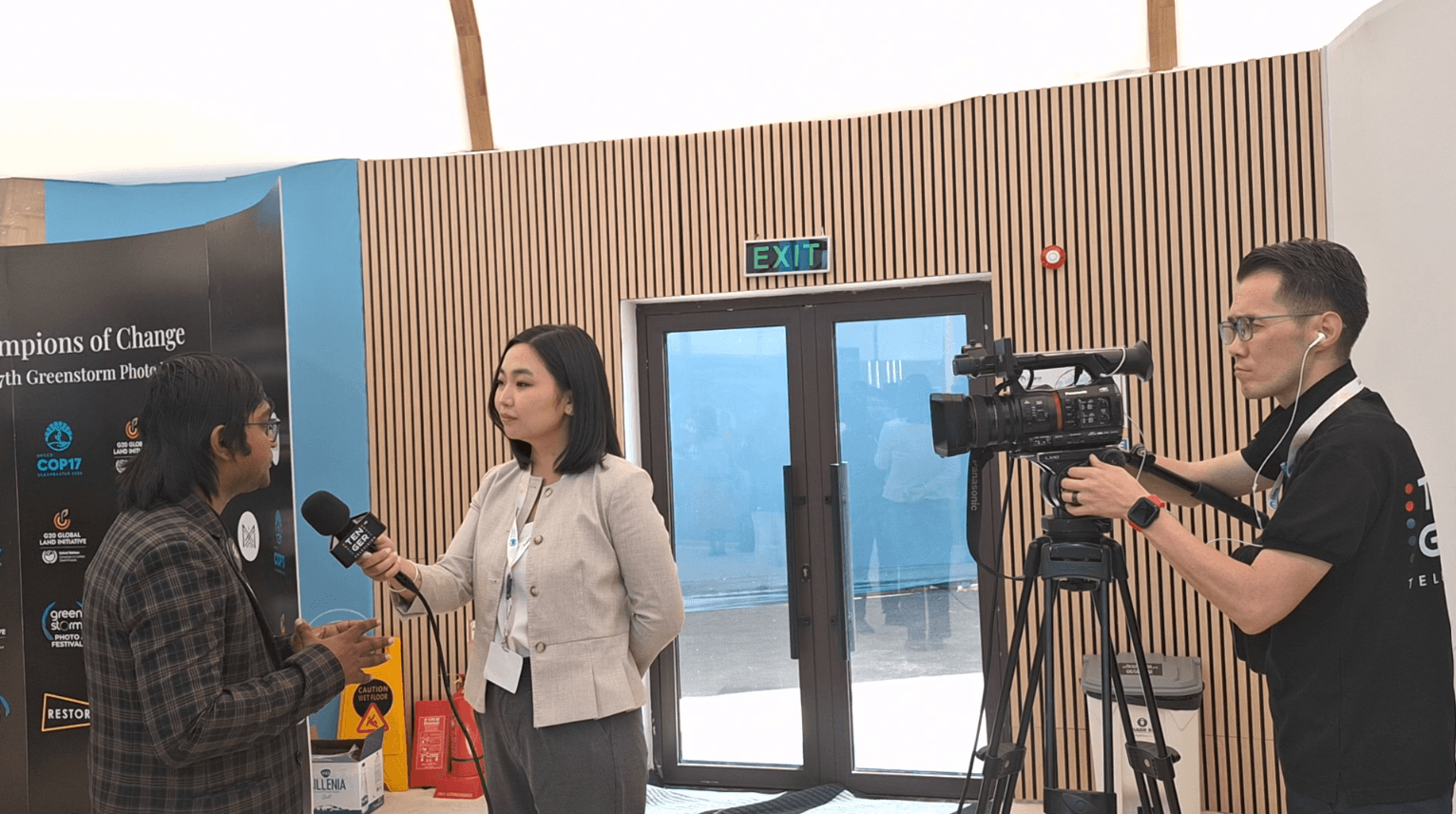
One of the major conversations of the day focused on the mining industry and its relationship with land. The High-Level Forum of Mining Industry Leaders, titled “Leadership for a Land-Positive Future,” brought together industry representatives, governments, Indigenous representatives and international partners to explore how mining can engage with sustainable land management, ecosystem restoration and resilient landscapes.
This is a particularly important conversation in a world where the demand for minerals is increasing alongside the transition towards new technologies and energy systems. The challenge is not simply about producing more minerals. It is also about asking how land, nature and communities can be protected and restored throughout the lifecycle of extraction. Post-mining restoration, responsible approaches and stronger relationships with local communities therefore need to be part of the conversation rather than an afterthought.
Another session that caught my attention was “From Capital to Scale: Global Business Perspectives on Land Restoration.” As someone working in the intersection of technology, agriculture, climate action and entrepreneurship, I am especially interested in this question: what does it actually take for a young land-restoration enterprise to move beyond an idea and reach sustainable commercial scale?
Innovation requires capital, but capital alone is not enough. Entrepreneurs also need supportive policies, markets, technical knowledge, partnerships, customers and communities willing to adopt new approaches. The G-CAP programme continued through the week, bringing parliamentary perspectives into conversations around food security, drought resilience and the land-water nexus.
This is where I see one of the greatest opportunities of COP17 connecting different worlds. A farmer may experience drought as a water shortage. A scientist may understand it through data. An entrepreneur may see an opportunity for a new solution. A policymaker may see a legislative challenge. A community leader may see a question of survival and dignity. All of these perspectives are valid and restoration requires them to meet.
As I moved between these conversations today, I kept returning to something I wrote when I first arrived in Mongolia: the future of land restoration cannot be built through policy alone. But neither can it be built through entrepreneurship alone. It requires institutions, communities, science, finance, business and local knowledge to work together. Perhaps leadership in the restoration era is not about having all the answers. Perhaps it is about creating the conditions in which different kinds of knowledge can come together and produce better answers. That is one of the lessons I am taking from Ulaanbaatar.