 Posted on 25 August 2026 - Author ( Lilan Dayananda)

Today at UNCCD COP17, the conversation moved even more directly towards a question that sits at the heart of every international environmental conference; how do we turn commitments into action?
The “Proactive Ecosystem Restoration Legislation – From Concept to Implementation” dialogue brought policymakers, restoration practitioners and international partners together to examine how legislation can accelerate ecosystem restoration and strengthen land resilience. For me, this is an important transition. Global environmental conversations often generate ambitious commitments. But once the conference ends and delegates return home, implementation depends on institutions, laws, budgets, incentives and accountability. That is where legislation matters.
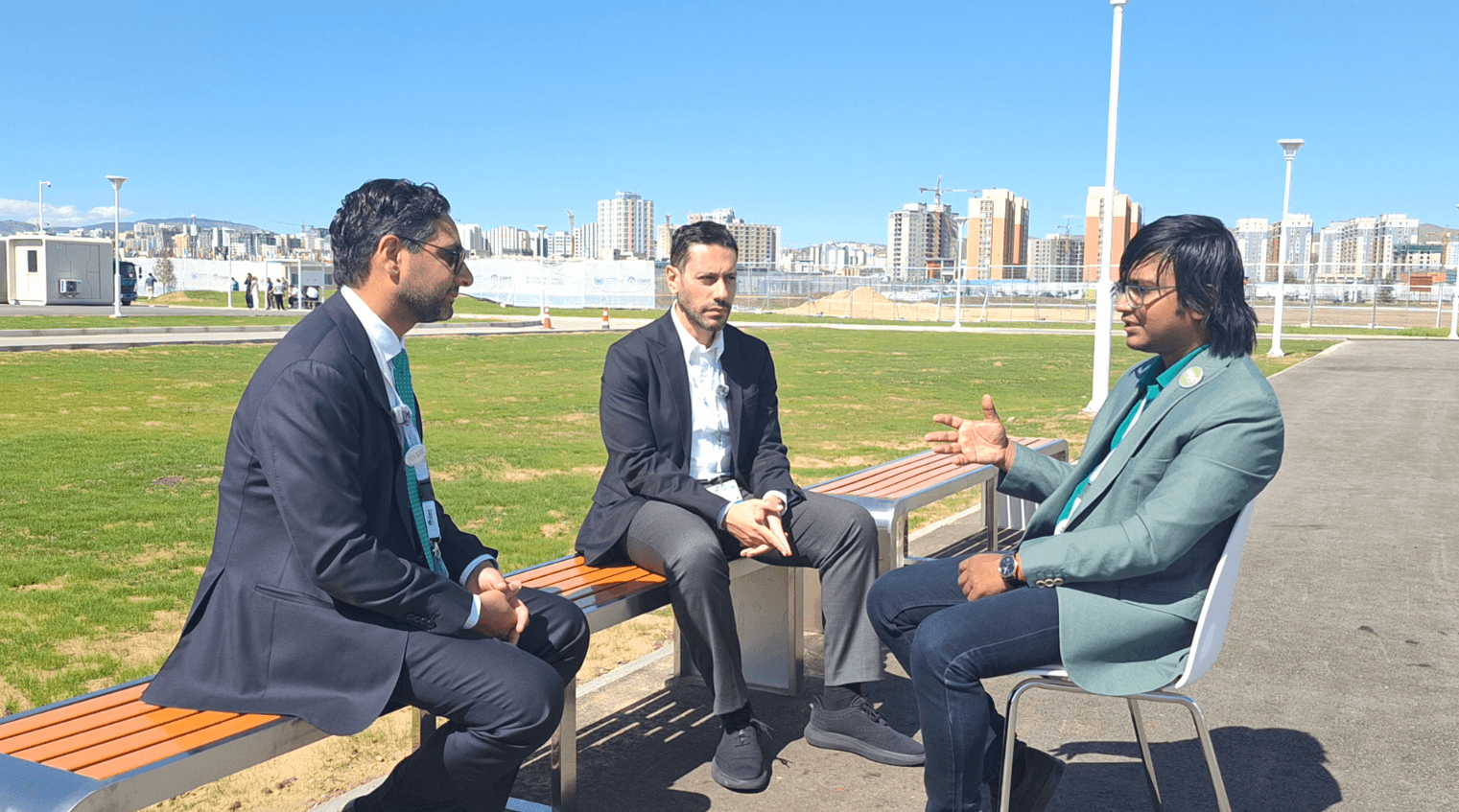
Good policies can create space for restoration. They can establish responsibilities, support investment and provide frameworks for implementation. But legislation also needs to connect with the realities of communities and landscapes. A law can establish a direction. People have to make it work.
The High-Level Parliamentary Forum continued this discussion through the theme “From Commitment to Action: Parliamentary Leadership to Address Desertification, Land Degradation and Drought.” Parliamentarians from different parts of the world came together around questions of policy and legislative action, including ecosystem restoration and sustainable food security.
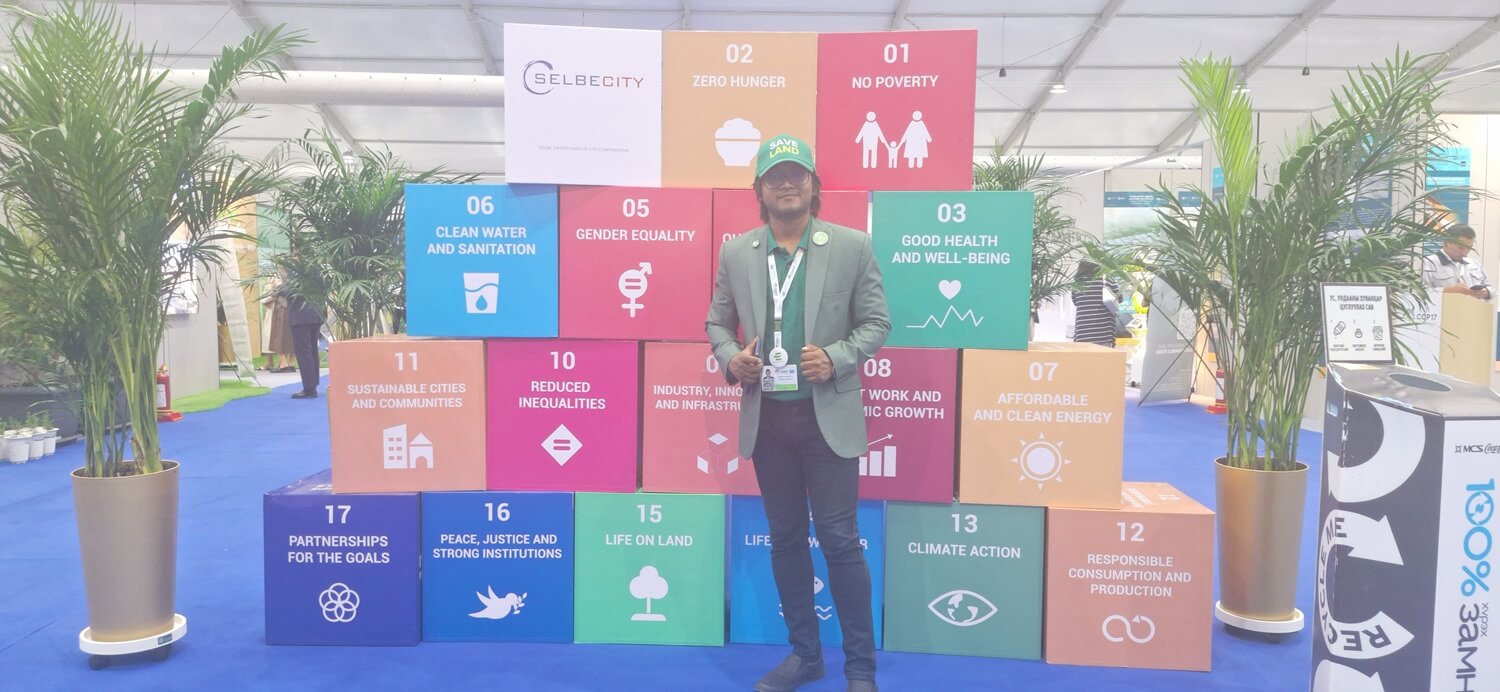
As someone working closely with agriculture and technology, I found the connection between land restoration and food security particularly important. Healthy land is not only an environmental objective. It is part of the foundation of food systems.
When soils degrade, water becomes less reliable, ecosystems lose resilience and agricultural communities face increasing pressure. This makes restoration inseparable from the question of how we feed future generations. At the same time, the discussions reinforced something I have been thinking about throughout COP17: there is no single pathway to restoration. Different countries face different ecological, economic and social realities.
The solutions that work for a pastoralist community in one landscape may look very different from those needed by smallholder farmers elsewhere. Yet there are principles that can travel across borders community participation, evidence, appropriate technology, sustainable finance, strong institutions and respect for local knowledge. The challenge is connecting these principles with local realities.
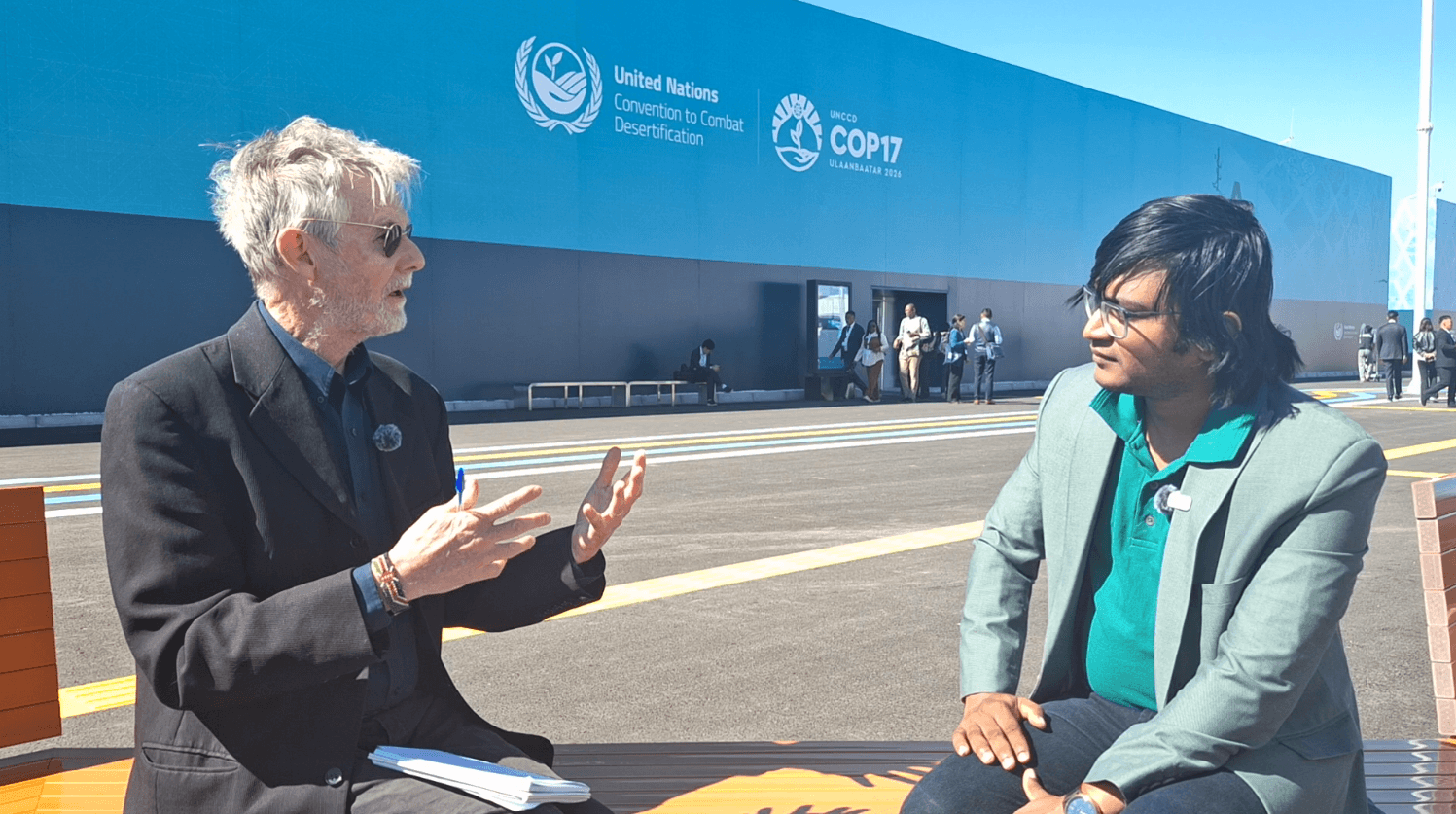
As I listened to parliamentary discussions today, I was reminded that young people should not only be invited to speak about the future. We should also be involved in shaping the systems that determine that future. Young entrepreneurs, researchers, farmers and community leaders are already experimenting with solutions. Policy should create pathways for these innovations to grow responsibly.
From my perspective, one of the most valuable outcomes of COP17 will not simply be what is written in the final documents. It will be what happens afterwards. Will policies change? , will investments move? , will restoration projects expand? , will communities receive greater support? , will young people have meaningful opportunities to build careers around restoring the planet? ; those are the questions that matter once the conference halls become quiet. Today reminded me that commitment is an important beginning. But implementation is where commitment becomes real.